How to Cook for Company and Actually Enjoy the Night
The secret to a great dinner party is not a better recipe. It is a plan that lets you leave the kitchen and sit down with your guests.

Every nervous host makes the same mistake. They pick a menu that needs their hands at the exact moment the first guest walks in. Three pans going, an oven that needs watching, a sauce that breaks if you look away, and a doorbell that will not stop. By the time everyone is seated, the cook is frazzled, sweating, and half a conversation behind. The food might be great. The night is not.
After decades of cooking for full tables, I can tell you the fix has almost nothing to do with skill. It is about sequencing. A good dinner party is engineered hours before anyone arrives, so that when they do, you have almost nothing left to do but plate, pour, and enjoy the company. Here is how to build that kind of night.
Build the menu around your oven, not your ambition
The first decision is the most important one, and most people get it wrong. They choose dishes they want to eat, then try to force them through one oven and four burners at the same time. Instead, choose dishes that stagger. One thing that lives in the oven, one thing that was finished this morning and only needs reheating, one thing served cold or at room temperature, and one thing that takes five minutes right before you sit.
Look at any dish honestly and ask a single question: when does this need me? A braise needs you at the start and then leaves you alone for three hours. A salad needs you for ten minutes, whenever. A seared piece of fish needs you at the worst possible moment, right when guests arrive, so it becomes the one thing you actively cook, not four. Pick a menu where only one dish demands last-minute attention.
Work backward from when you want to sit down
Decide the hour you want everyone at the table, then plan in reverse. If dinner is at 7:30, the roast comes out at 7:10 to rest, which means it goes in at 5:40, which means it gets seasoned at 5:00. Write the whole night as a countdown on a single sheet of paper and stick it to a cabinet. It feels excessive the first time. It is the difference between a calm kitchen and a panicked one.
The countdown does something else, too. It shows you the collisions before they happen. If three things all need the oven at 6:45, you find out at your kitchen table with a pen, not at 6:45 with guests watching. Move one dish to the stovetop, or make it the day before. Solve the traffic jam on paper.
Whatever you are making, get it to a “hold” point before the first guest arrives. A hold point is the stage where a dish can sit safely for an hour without suffering: braised and resting, blanched and set aside, sauce made and warm. Cross that line early and the rest of the night is easy.
Do the real work while the kitchen is empty
Professional kitchens have a word for this: mise en place, everything in its place. Before service, every onion is diced, every sauce is made, every pan is where it should be. You can borrow the whole idea for a home dinner. The afternoon before guests arrive, when the house is quiet, is when the actual cooking happens. Chop everything. Measure everything into little bowls. Make the sauces. Blanch the vegetables and shock them cold. Get every component to its hold point.
By the time people show up, cooking stops being cooking and becomes assembly. You are not making a meal in front of an audience. You are reheating, finishing, and plating things that are already ninety percent done. That is a job you can do while talking, laughing, and holding a glass of wine.
Set the table and the bar the night before
Plates, glasses, napkins, serving spoons, candles, all of it can be done the evening before while you watch television. It takes twenty minutes and removes twenty minutes of chaos from the exact window when you have none to spare. Set out the serving dishes too, and put a sticky note in each one naming what it holds. It sounds fussy. It means that when the food is ready, you are not hunting for the right platter with hot food waiting.
Do the same for drinks. Decide what you are pouring, get it chilling, set out the glasses, and put a pitcher of water on the table. A guest who can pour their own drink is a guest who is not waiting on you.
When guests arrive, give them a job
People genuinely like to help, and a small task makes them feel at home instead of hovering. Hand someone the corkscrew. Ask someone to light the candles or carry a dish to the table. It pulls them into the evening and quietly clears your path. The kitchen should never become a place where six people stand watching one person panic. Keep them moving, keep them useful, keep them close but not underfoot.
Remember that you set the temperature of the room
Here is the part no recipe teaches. Your guests are not judging the sear on the fish. They are reading you. If the host is relaxed, the room is relaxed. If the host is stressed, everyone feels it, and no amount of good food fixes that mood. This is the real reason to do all the work up front. It is not only about the food being on time. It is about you being present, unhurried, and actually enjoying the people you invited.
A slightly imperfect dish served by a happy, present host beats a flawless one served by a wreck, every single time. Cook the meal early. Then go be at your own party.
Cook the recipes from this post
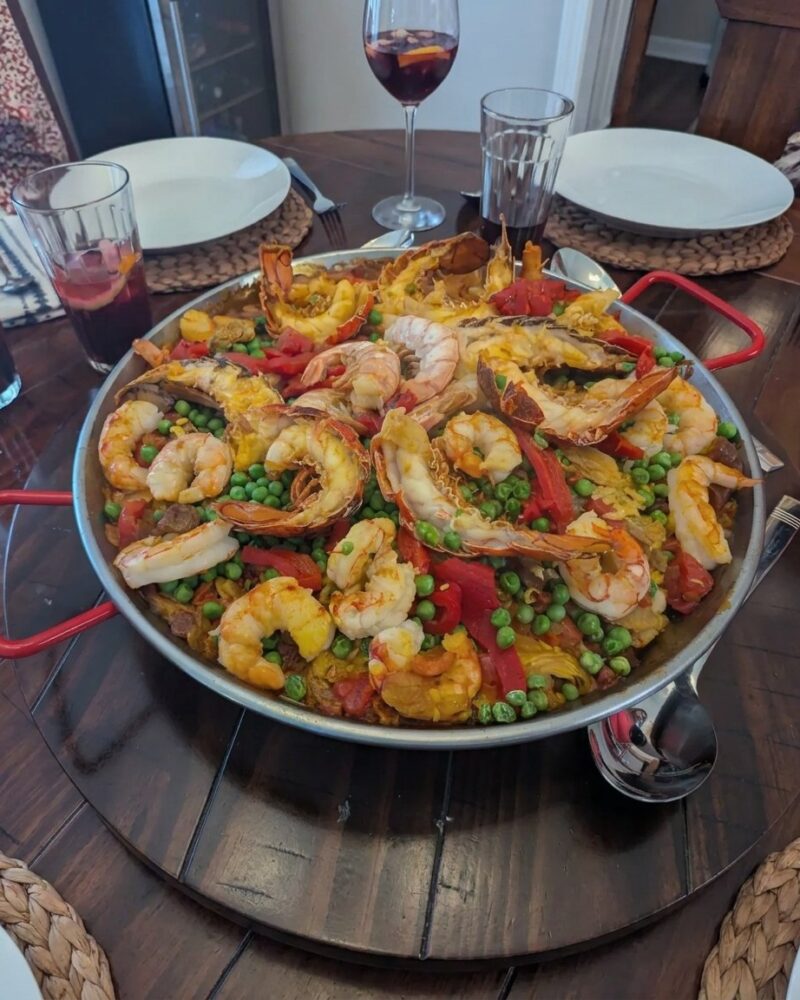
Seafood Paella
Saffron-stained rice studded with shrimp, mussels, and squid, all of it crowned by the prized crackle…
Get the recipe →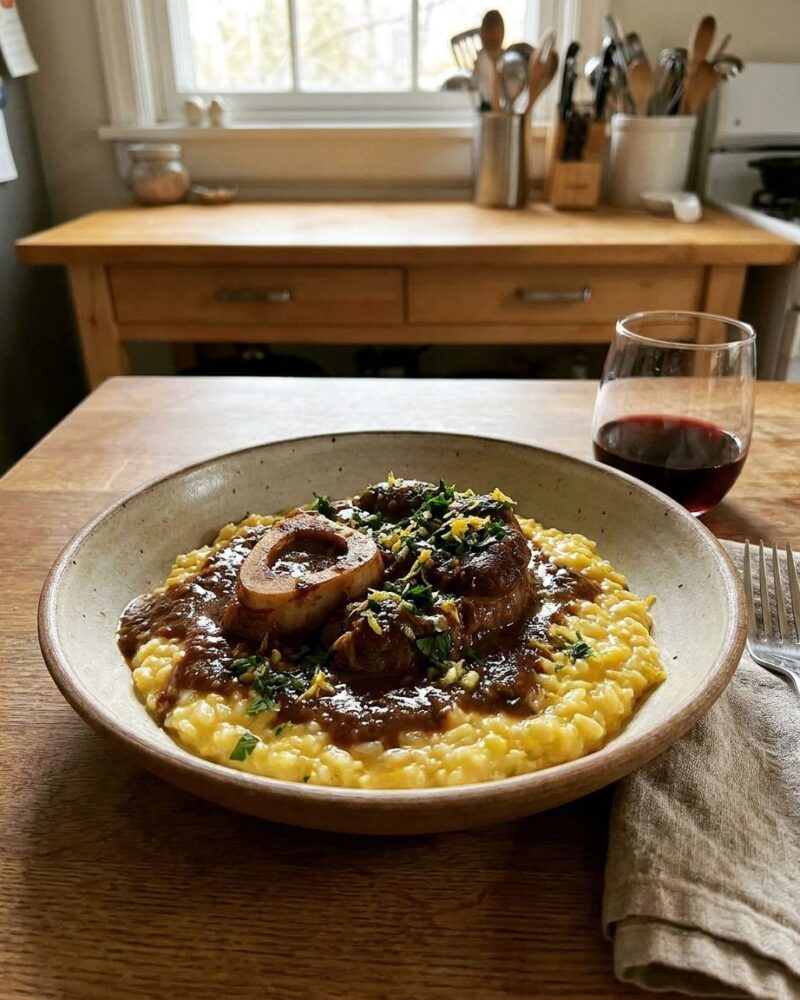
Braised Veal Shanks, Osso Buco
Fork-tender veal falls from the bone into a deep tomato and wine braise, crowned with bright,…
Get the recipe →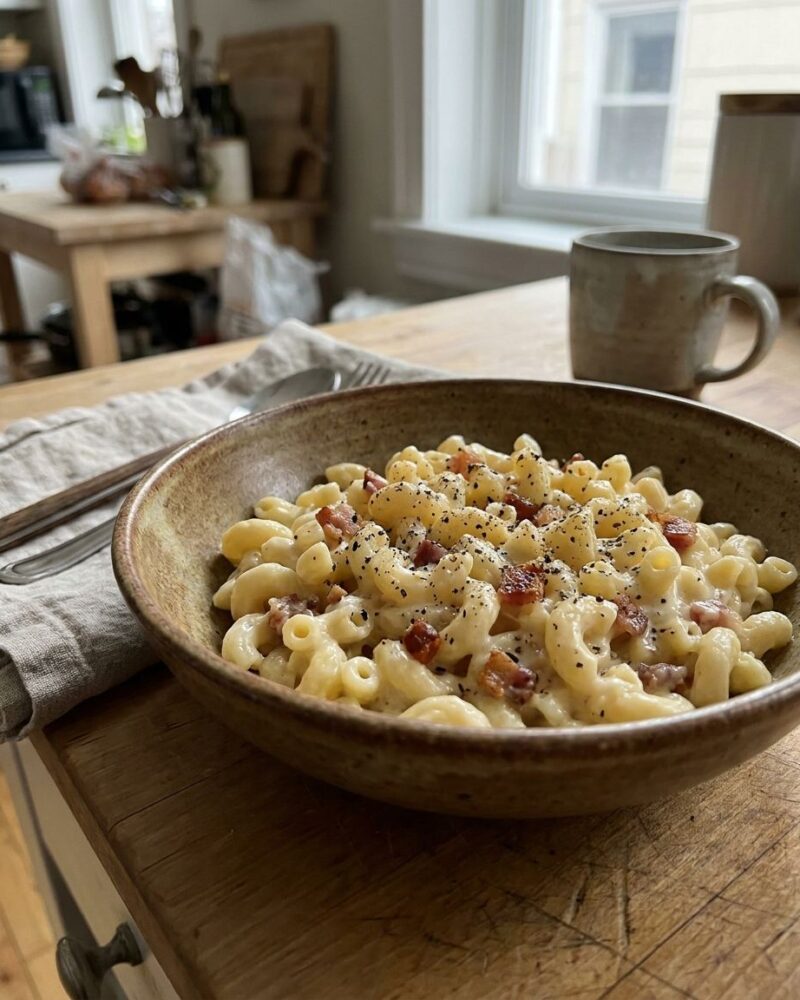
Mac and Cheese Carbonara
Two comfort foods folded into one bowl: a silky carbonara base under three melted cheeses, crisped…
Get the recipe →Related posts from the kitchen.
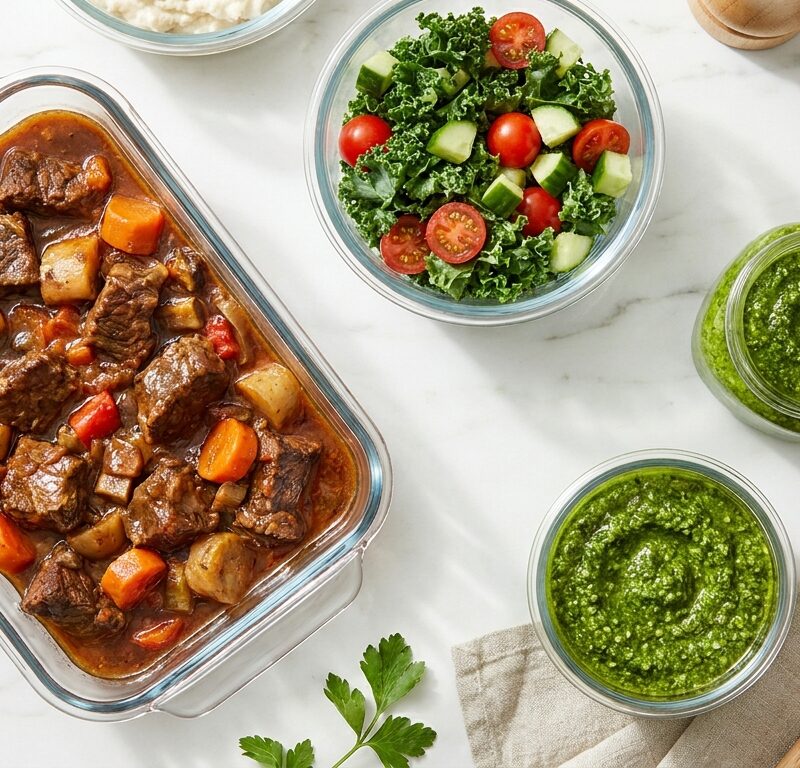
The Make-Ahead Menu: Dishes That Wait for You, Not the Other Way Around
Build a menu around food that gets better sitting in the fridge, so the only thing you cook when guests…
Read the post →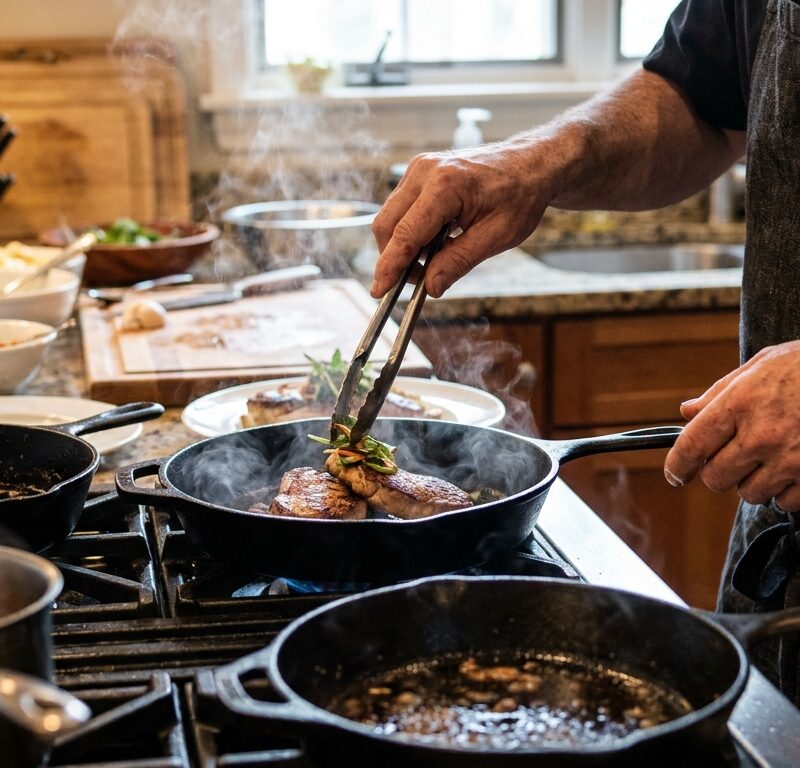
Timing the Table: How to Get Everything Hot at Once
The countdown method professional kitchens use to land every dish at the table warm, at the same moment, without a…
Read the post →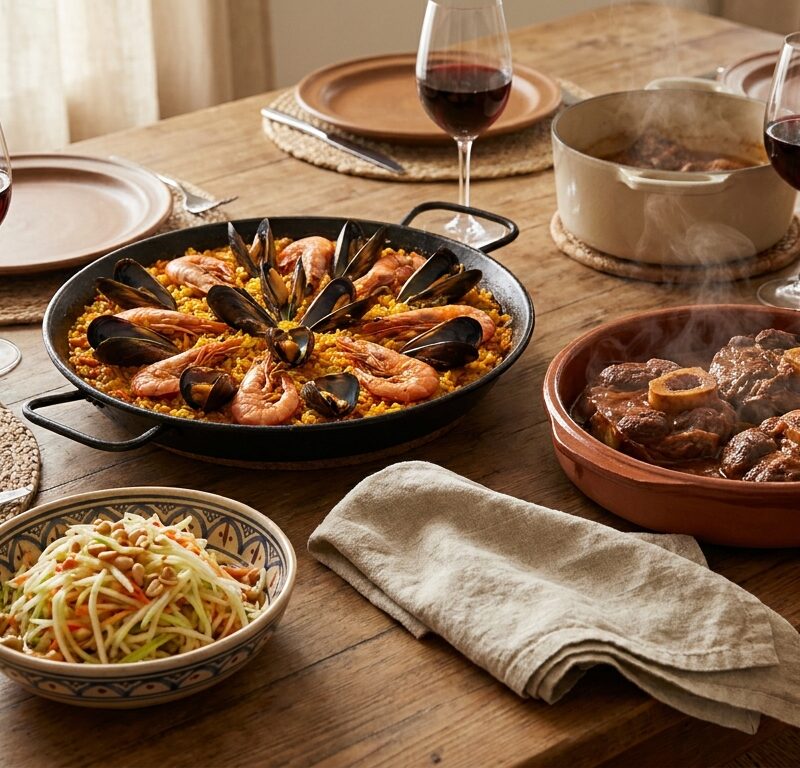
A Dinner Party Menu You Can Actually Pull Off
A four-course dinner party menu built for one showstopper and a lot of make-ahead calm, so you cook like a…
Read the post →