How to Cook Fish Without Fear
Buying, timing, doneness, glazing, and resting: the small set of habits that turn fish from the scariest thing in your kitchen into the easiest.
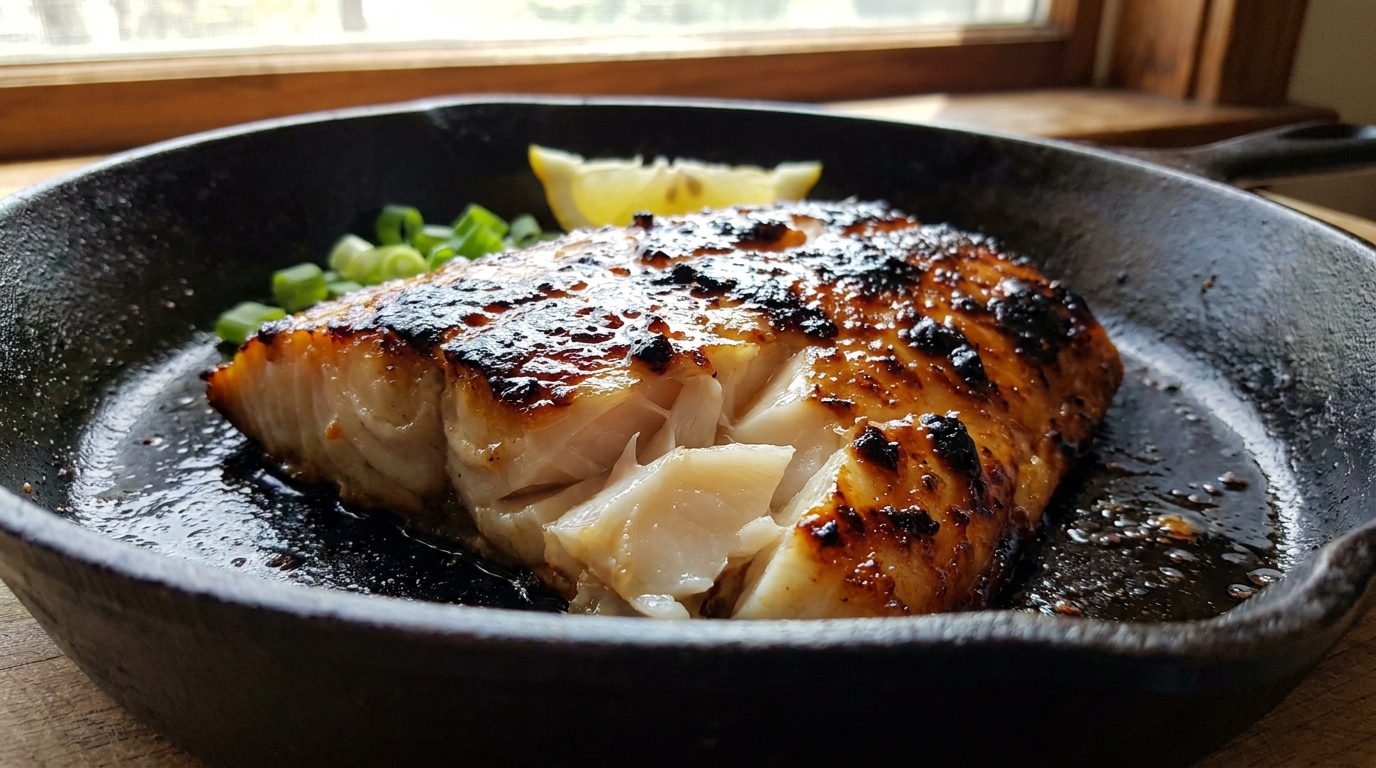
Why are people so afraid of cooking fish?
Fish carries a reputation it does not deserve. Home cooks who will happily wrestle a roast or bake bread from scratch go pale at the idea of a fillet in a pan. The fear comes from a real place: fish is fast, it is expensive, and the window between perfect and overdone feels impossibly narrow. Overcook a steak and it is still dinner. Overcook fish and it turns dry, chalky, and sad in what feels like a matter of seconds.
Here is the truth after years of cooking it. Fish is not harder than other proteins. It is simply less forgiving of inattention, which means the entire skill is about paying attention to the right five things. Buy well, cook hot, watch closely, use a little insurance, and rest it. Master those and you will cook fish more confidently than you cook almost anything else, because the whole process is over in minutes. Let me take you through each one.
How do you buy fish that is actually fresh?
Great fish cookery starts at the counter, not the stove. The single best thing you can do for a fish dinner is buy fish that was recently swimming, and your nose is your most honest tool. Fresh fish smells like clean water or a cold ocean breeze. It should not smell like fish. That strong, sour, low-tide odor is the smell of age, and no technique in the world will cook it out.
Look at the flesh, too. It should be firm and glossy, springing back when pressed rather than holding a dent. If you are buying a whole fish, the eyes should be clear and the gills bright red, not gray or brown. Do not be shy about asking your fishmonger what came in that morning and what they would cook themselves tonight. A good counter will tell you the truth and steer you toward the best piece. Buy the fish that is best today, not the fish you planned on, and let that decision shape the recipe rather than the other way around.
Timing: the ten-minute rule and why heat matters
Fish cooks fast because it has almost no connective tissue to break down. Where a braise wants hours of low heat, fish wants high heat and a short clock. The old kitchen guideline is the ten-minute rule: about ten minutes of cooking per inch of thickness, measured at the fillet’s thickest point, split between the two sides if you are searing.
Treat that as a starting frame, not a law, but respect the principle underneath it. Get your pan genuinely hot before the fish goes in. A properly heated pan sears the surface, sets a crust, and releases the fillet cleanly instead of shredding it. A lukewarm pan steams the fish and makes it stick, which is where most home cooks lose their nerve. Start your clock the second the fish touches the heat, and stay in the kitchen. This is not a walk-away protein. The reward for those few minutes of full attention is a fillet cooked exactly right, and you will find that the attention itself is what removes the fear.
How do you know when fish is done?
This is the question everyone actually wants answered, and the good news is fish tells you clearly if you know the signs. Cooked fish turns from translucent to opaque, and the flesh flakes when you press it gently with a fork, separating along its natural lines. If it still looks glassy and resists flaking, it needs a little longer. If it flakes into dry shards with no give, it went too far.
The most important habit to build is to pull fish a few degrees before you think it is done. It carries residual heat and keeps cooking after it leaves the pan, so the fillet that looks barely finished on the plate will be perfect by the time your fork reaches it. Aim for just-opaque at the center with a hint of translucence, and let carryover close the gap. When you learn to trust that slightly-underdone look, overcooking simply stops happening.
Glazing and wrapping for insurance
Once you have the fundamentals, you can build in insurance against small mistakes, and this is where fish cookery gets genuinely fun. A glaze does two things at once: it adds flavor and it protects the surface from drying out. My Miso-Glazed Black Cod is the perfect teacher here. The miso marinade cures the fish over a day or two, seasons it deeply, and creates a sugary coat that caramelizes under the broiler into a lacquered crust. Black cod is a rich, fatty fish to begin with, which makes it almost impossible to dry out, so it is one of the most forgiving fillets a nervous cook can start with. Even if your timing drifts, the fat and the glaze cover for you.
Wrapping is another form of insurance. When you encase a leaner fish in something that shields it from direct heat, you slow the surface from overcooking while the inside comes up gently. That is exactly the idea behind Salmon Wrapped in Prosciutto, Herbed Lentils. The prosciutto crisps into a savory shell that bastes the salmon in its own rendered fat and buffers it from the pan, so the fish stays moist even if you leave it a beat too long. Learn these two moves, glazing and wrapping, and you have a safety net under every fish dinner you cook.
Rest it, then trust yourself
One last habit closes the loop. Give the fish a short rest, a minute or two, before it hits the plate. Resting lets the residual heat finish the center and lets the juices settle back into the flesh rather than running out the moment you cut in. It is the same principle you would use for a steak, just on a shorter clock.
Put it all together and the fear falls away. You bought a piece that smelled like the sea, you cooked it hot and watched it the whole time, you pulled it while it still looked a touch underdone, you leaned on a glaze or a wrap for insurance, and you let it rest. That is the entire discipline. Cook the Miso-Glazed Black Cod once and you will feel it click. Fish was never the hard part. Not paying attention was. Give it your attention for ten short minutes and it will reward you every single time.
Cook the recipes from this post
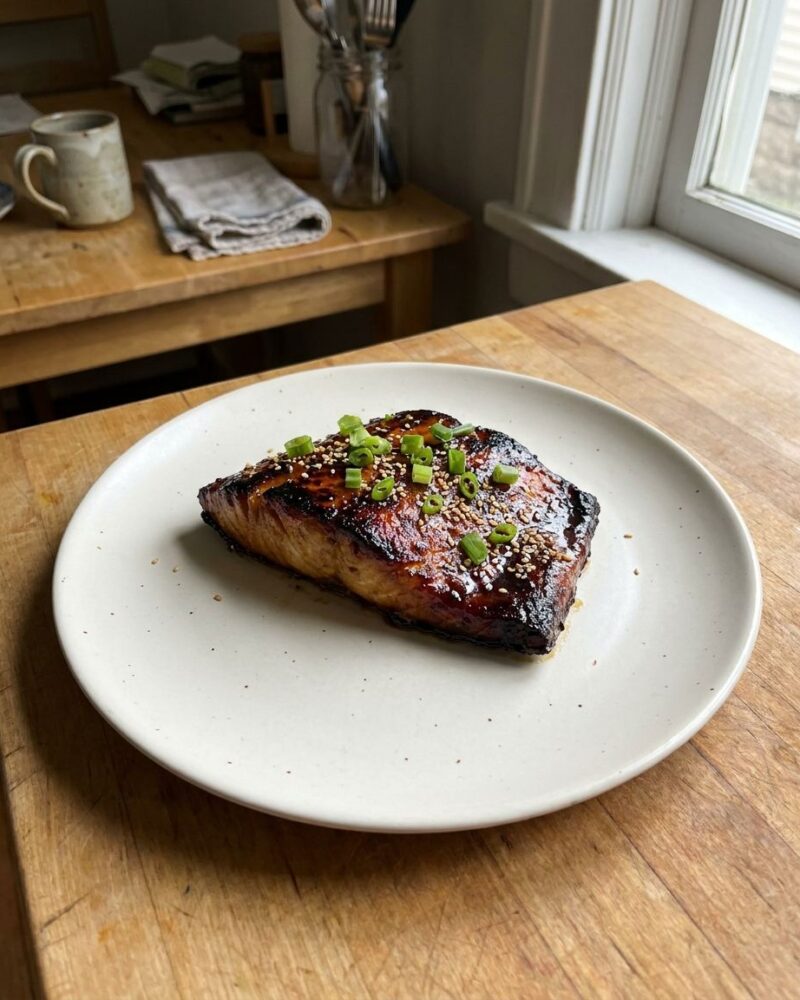
Miso-Glazed Black Cod
Sweet white miso lacquers black cod under the broiler, caramelizing the top over a silky, buttery…
Get the recipe →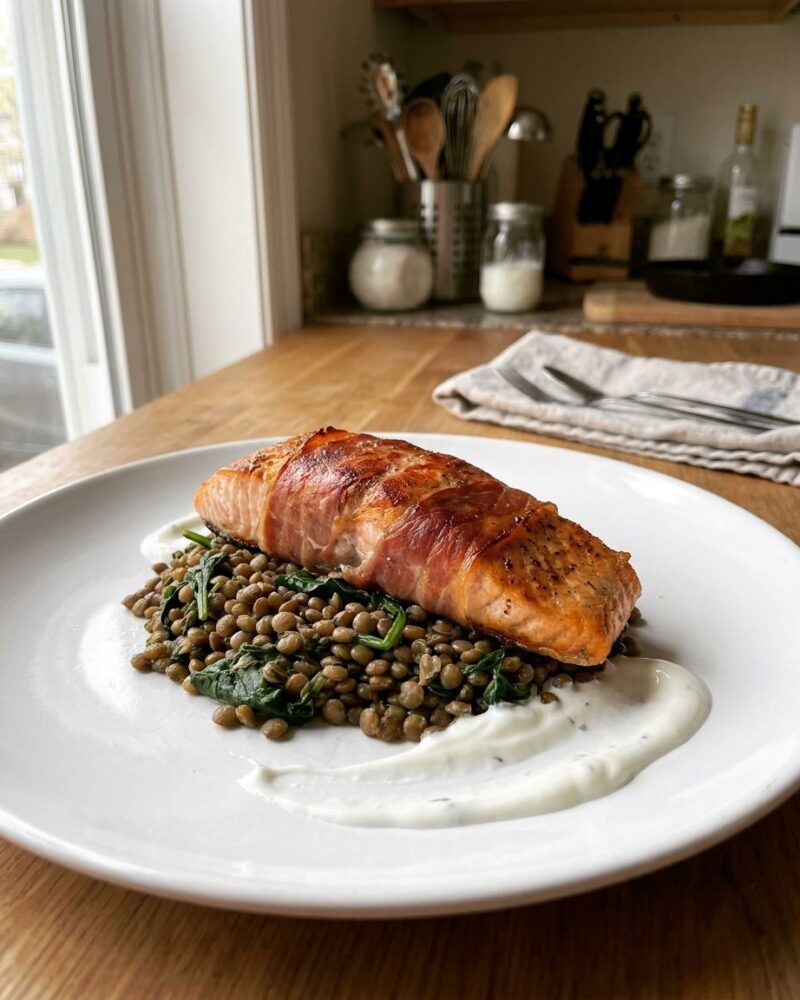
Salmon Wrapped in Prosciutto, Herbed Lentils
Salmon sealed in a crackling shell of prosciutto, resting over herbed green lentils and a cool…
Get the recipe →Related posts from the kitchen.
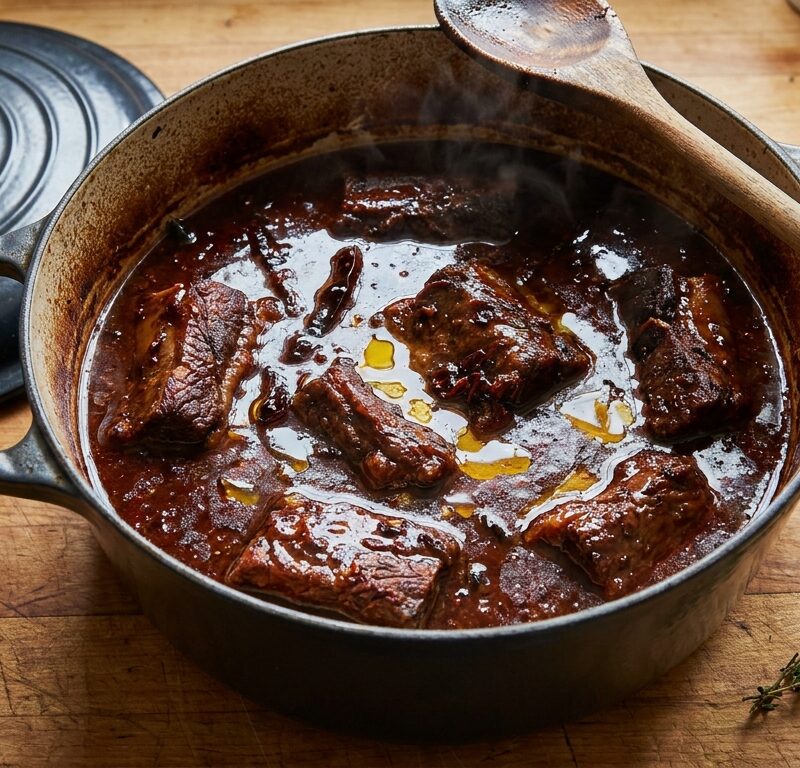
Low and Slow: The Braises Worth the Wait
The method behind every great braise: sear, build a base, add liquid, and let low heat and patience do the…
Read the post →
A Dinner Party Menu You Can Actually Pull Off
A four-course dinner party menu built for one showstopper and a lot of make-ahead calm, so you cook like a…
Read the post →