Low and Slow: The Braises Worth the Wait
The method behind every great braise: sear, build a base, add liquid, and let low heat and patience do the work no knife ever could.
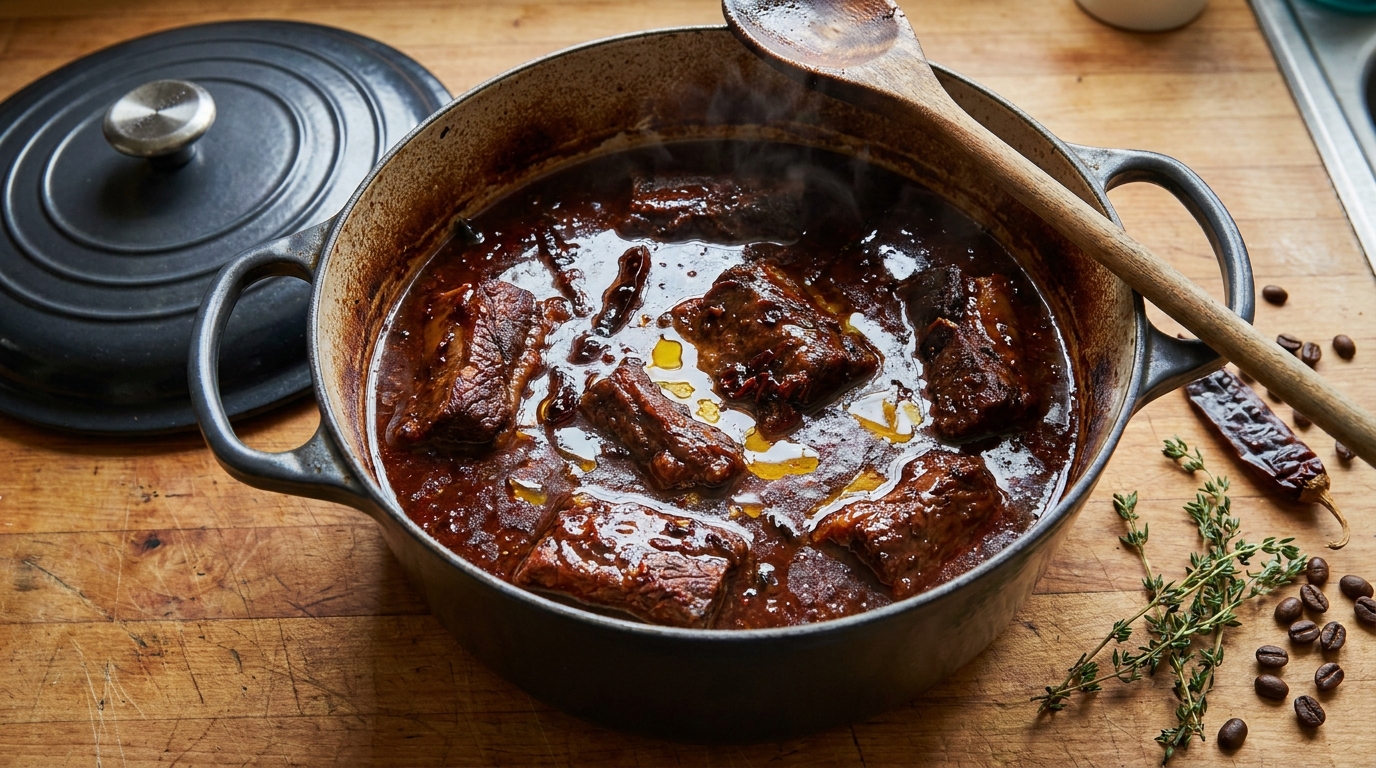
What actually happens when you braise meat?
Braising is the closest thing home cooking has to alchemy. You take the cuts nobody fights over, the shanks, the short ribs, the shoulders, the ones threaded with connective tissue and muscle that would be inedible if you tried to cook them fast, and you turn them into the most tender, deeply flavored food on your table. The transformation is real chemistry. Those tough cuts are full of collagen, and collagen is the enemy of a quick cook. It seizes and toughens under high heat. But hold it in gentle, moist warmth for a few hours and that same collagen melts into gelatin, which is what gives a great braise its silky, lip-coating body and its fall-apart texture.
That is the whole promise of low and slow. You are not fighting the toughness of the cut, you are using it. The connective tissue that makes a shank cheap is exactly what makes it luxurious after three hours. Understand that one idea and every braise on this site suddenly makes sense. Let me walk you through the method, step by step, and then show you how four different recipes teach four different lessons about it.
The sear: do not skip the first step
Every great braise begins dry and hot, before a drop of liquid enters the pot. You sear the meat first, hard, on every side, until it builds a deep brown crust. This is the step impatient cooks skip, and it is the step that separates a flat, gray braise from one with real depth.
The browning is not just color. It is the Maillard reaction, the same chemistry that makes toast and seared steak taste the way they do, creating hundreds of new flavor compounds on the surface of the meat. Those compounds dissolve into the braising liquid over the long cook and season the entire dish from within. When you make Coffee-Ancho Chile Braised Short Ribs, that first hard sear is what lets the coffee and chile read as savory depth rather than a novelty. Get the ribs genuinely brown, let the fond, those sticky browned bits, build on the bottom of the pot, and you have laid the foundation for everything that follows. Rush it and no amount of time will put that flavor back.
Building a base worth braising in
Once the meat is seared and set aside, you build the liquid it will cook in, and this is where a braise earns its personality. Start with aromatics in the same pot, onions, carrots, garlic, whatever the dish calls for, and let them soften in the rendered fat while they scrape up that fond. Then comes the liquid, and the mistake to avoid is drowning the meat in plain stock. A great braising base wants layers: something savory, something acidic, and something aromatic.
Acid matters more than most home cooks realize. Wine, tomato, citrus, or vinegar brightens the whole pot and keeps hours of richness from turning heavy. Look at Chicken Tagine with Apricots, Olives and Preserved Lemon for a masterclass in this balance. The preserved lemon and olives bring salt and sharp acidity, the apricots bring sweetness, and the spices carry the aroma, so the finished tagine tastes complex and lifted rather than one-note. You are not just cooking the meat, you are composing the sauce it lives in. The liquid should only come partway up the meat, by the way, not cover it. A braise is not a soup. The exposed top steams and bastes while the submerged bottom simmers, and that contrast is part of the magic.
Low and slow: why time is the real ingredient
Now the hard part, which is doing almost nothing. Cover the pot, drop the heat, and walk away. The single most common braising error is cooking too hot. People see the low heat, get nervous that nothing is happening, and crank the burner. A hard, rolling boil does not braise. It agitates the meat, squeezes out moisture, and leaves you with fibers that are simultaneously dry and stringy, the worst of both worlds.
What you want is the barest, laziest simmer, a bubble breaking the surface every second or two, whether on a low burner or in a moderate oven. At that gentle temperature the collagen has time to melt without the muscle fibers clenching and expelling their juices. This is why 4-Hour Lamb is named for its patience. Four hours sounds absurd until you taste what those hours do: meat that surrenders at the touch of a spoon, gelatin-rich sauce, flavor that penetrated all the way to the bone. You cannot buy that texture and you cannot rush it. Time is the ingredient. Set the pot, set a timer, and let the kitchen do the work while you do something else.
Four braises, four lessons
Every braise follows the same architecture, but each teaches its own lesson, and cooking through them is the fastest way to internalize the method.
- Classic technique: Braised Veal Shanks, Osso Buco is the textbook. Cross-cut shanks, a soffritto base, wine and stock, and the marrow in the bone as a reward at the end. If you learn one braise cold, learn this one.
- Flavor building: Coffee-Ancho Chile Braised Short Ribs shows how far the braising liquid can push before it breaks. Coffee and dried chile become deep, savory, and warming, not weird, because the long cook rounds them off.
- Balance and acid: Chicken Tagine with Apricots, Olives and Preserved Lemon proves that a braise does not have to be heavy. Sweet, salty, and sharp in one pot, and it works on poultry, which cooks faster than red meat.
- Pure patience: 4-Hour Lamb is the reminder that time does what no knife or gadget can. Minimal fuss, maximum reward.
Cook all four and you will never need a braising recipe again, because you will feel the method in your hands.
Finishing: reduce, rest, and serve
When the meat is finally tender, you are close, but the sauce usually needs one last move. Lift the meat out gently and let the braising liquid reduce on the stove until it coats a spoon, skimming excess fat as it thickens. This concentrates everything those hours built and turns a thin cooking liquid into a proper sauce.
Here is my favorite secret about braises, and the reason they belong in every home cook’s rotation: they are better the next day. Cool the whole pot, refrigerate it overnight, and the flavors marry while the fat rises to the top where you can lift it off cleanly. Reheat gently the following day and it will taste like you worked twice as hard. That make-ahead quality is a gift for anyone cooking for company or simply for a calmer weeknight. Sear hard, build a layered base, hold it low and slow, reduce, and rest. That is the entire craft of braising, and the wait is precisely what makes it worth it.
Cook the recipes from this post
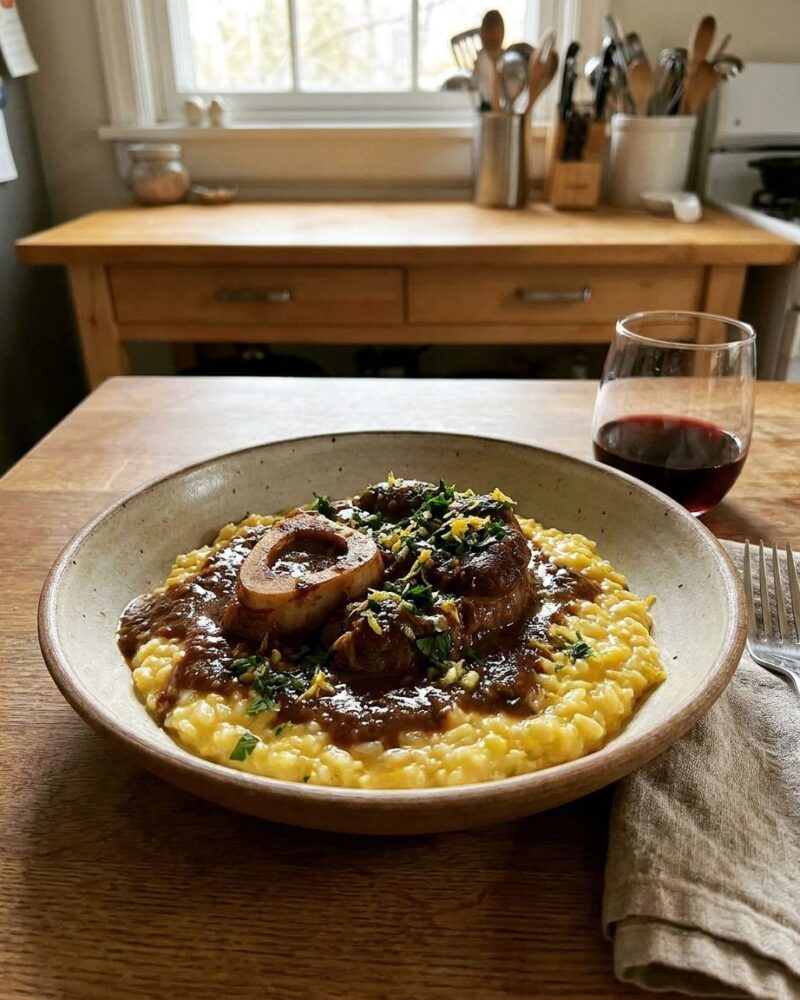
Braised Veal Shanks, Osso Buco
Fork-tender veal falls from the bone into a deep tomato and wine braise, crowned with bright,…
Get the recipe →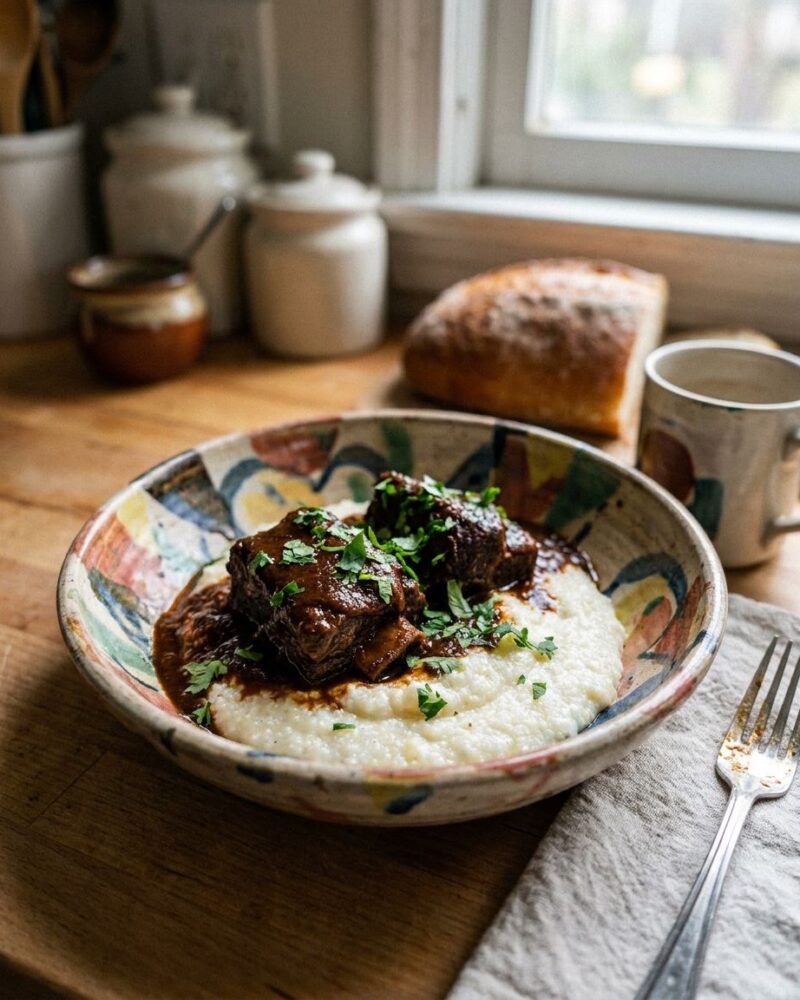
Coffee-Ancho Chile Braised Short Ribs
Coffee and ancho chile turn a pot of short ribs into something deep, dark, and quietly…
Get the recipe →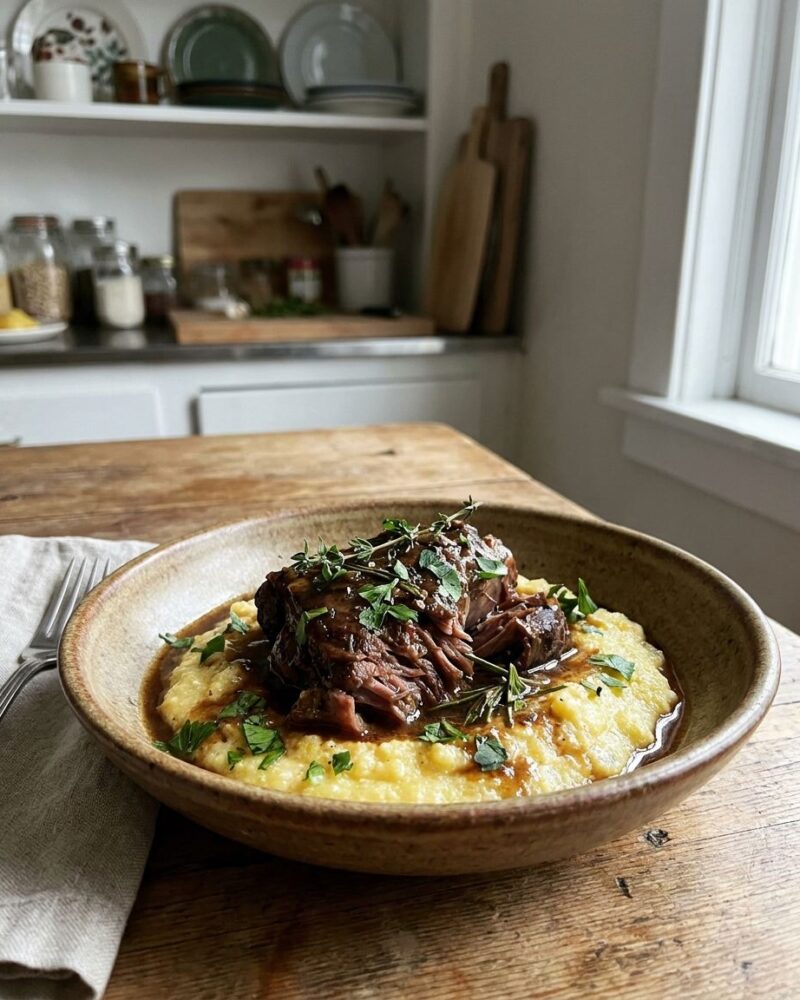
4-Hour Lamb
Lamb shoulder braised low and slow in red wine and herbs until it surrenders to a…
Get the recipe →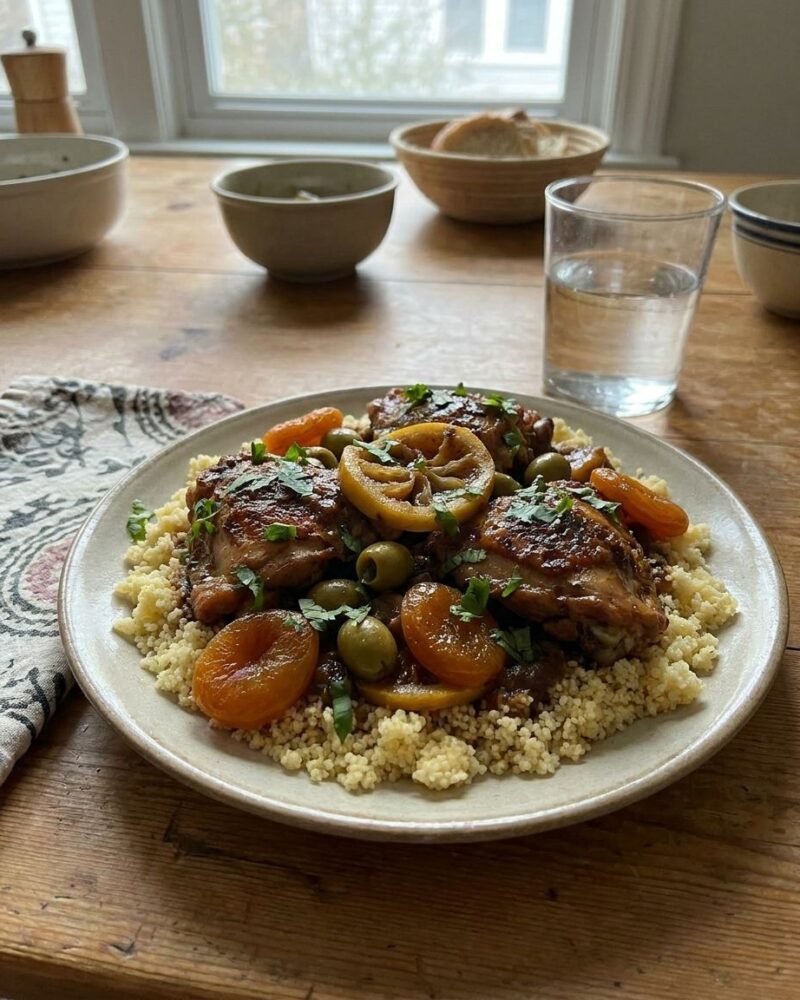
Chicken Tagine with Apricots, Olives & Preserved Lemon
Golden braised chicken folds into a fragrant sauce of warm spice, sweet apricot, briny olive, and…
Get the recipe →Related posts from the kitchen.
How to Cook Fish Without Fear
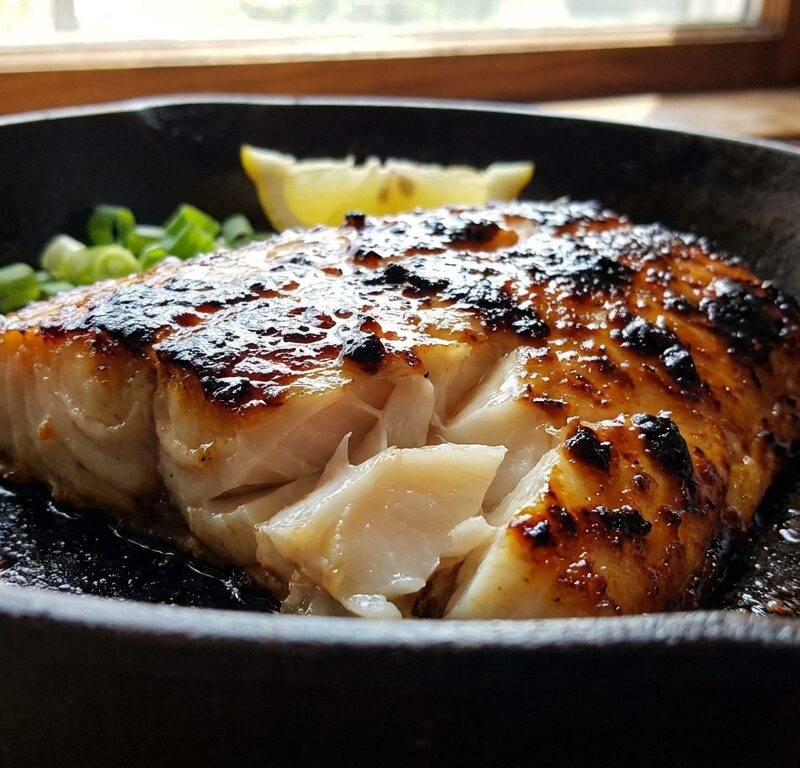
Buying, timing, doneness, glazing, and resting: the small set of habits that turn fish from the scariest thing in your…
Read the post →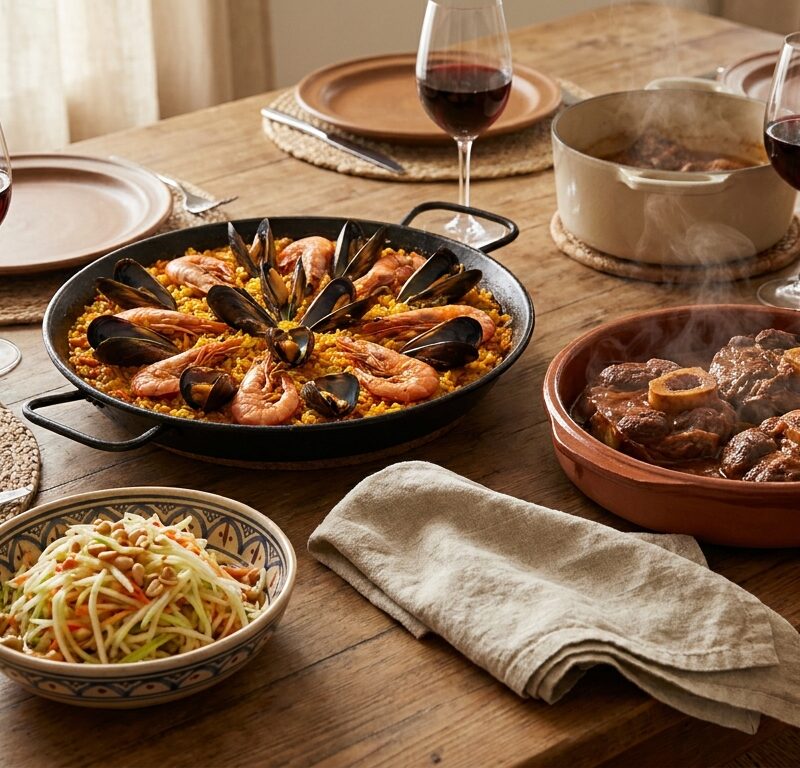
A Dinner Party Menu You Can Actually Pull Off
A four-course dinner party menu built for one showstopper and a lot of make-ahead calm, so you cook like a…
Read the post →