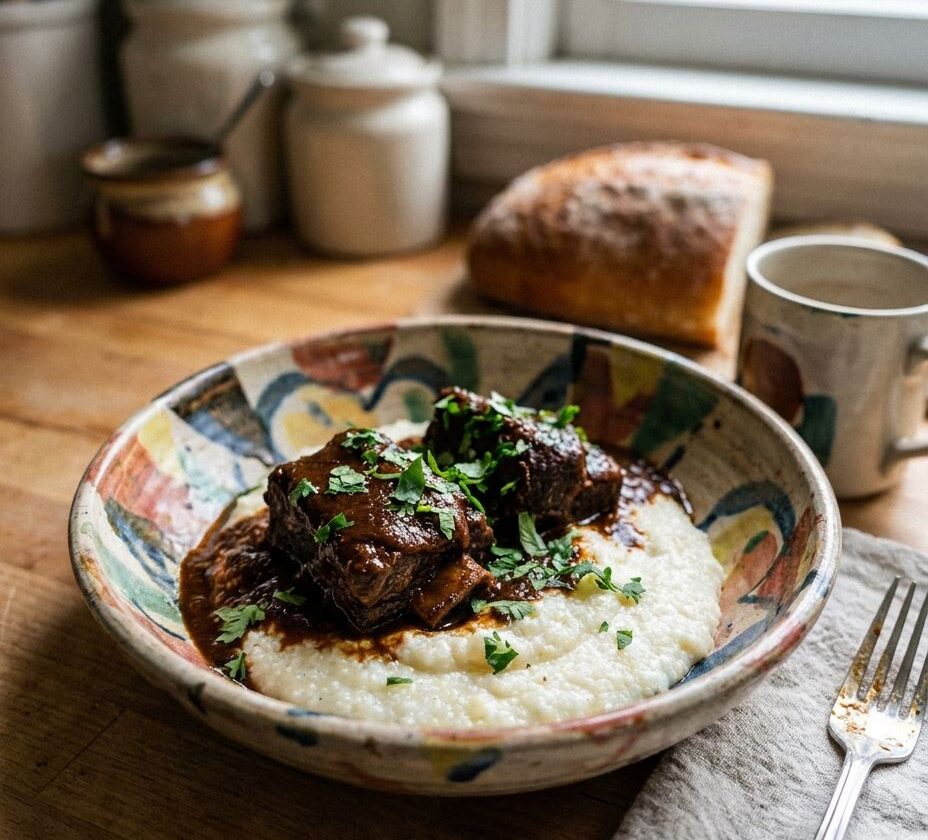
Coffee-Ancho Chile Braised Short Ribs
Coffee and ancho chile turn a pot of short ribs into something deep, dark, and quietly smoky, the kind of braise that fills a house before it fills a table.
By Steven Russell
American
Coffee and ancho chile turn a pot of short ribs into something deep, dark, and quietly smoky, the kind of braise that fills a house before it fills a table.
Coffee in a braise sounds like a gimmick right up until you taste what it does to ancho chile. Instead of fighting the pepper, it settles in underneath it, adding a roasted, almost bittersweet backbone that makes the whole pot taste like it cooked twice as long as it did. The ancho brings dried-fruit warmth, the coffee brings depth, and the brown sugar keeps the two in balance.
This is a low-and-slow oven braise, the most forgiving technique there is. Once the ribs are seared and the liquid is built, the oven does the work. Three hours at a gentle 300 degrees breaks down the connective tissue in bone-in short ribs into something spoonable.
We wrote this one for twelve on purpose. It is a dish for a table, not a weeknight, and it only gets better as it sits, so a batch made a day ahead is a batch improved.
Preheat the oven to 300 degrees and set a rack in the lower third so the Dutch oven sits with room above it.
Why A low, steady oven melts the collagen in the ribs slowly instead of squeezing the meat tight and dry.Pat the short ribs dry and season them generously on all sides with salt and black pepper.
Why A dry surface browns; a wet one steams. The seasoning also has time to work into the meat during the long braise.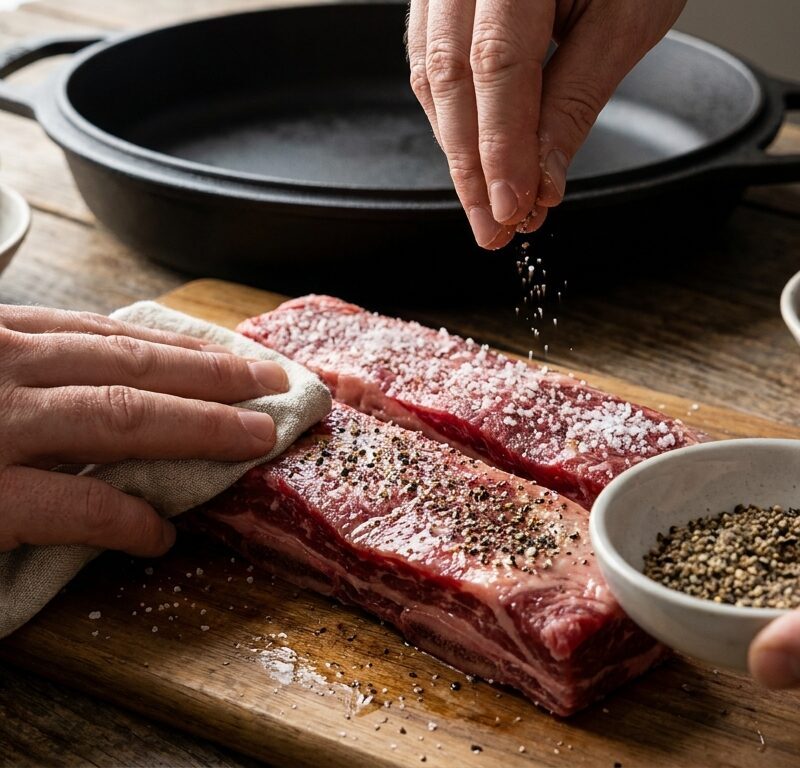
Heat the oil in a large Dutch oven over medium-high until it shimmers, then sear the ribs on all sides until deeply browned, working in batches so the pan stays hot. Remove them and set aside.
Why Crowding the pan drops the temperature and you get gray meat instead of a brown crust. That crust is where most of the flavor in the finished braise comes from.Lower the heat to medium and saute the chopped onions in the same pot until softened, about 5 minutes, then add the garlic and ancho puree and cook one minute more.
Why Cooking the ancho puree for a minute wakes up its flavor and takes off the raw edge, while the onions scrape up the browned bits left from searing.Stir in the brewed coffee, beef stock, brown sugar, tomato paste, and bay leaves, scraping the bottom of the pot as you go.
Why This is the braising liquid taking shape. Scraping loosens the fond, the dark stuck-on flavor that would otherwise be wasted.Return the ribs to the pot along with any collected juices. The liquid should come about two-thirds of the way up the ribs.
Why Partial submersion lets the tops brown gently while the bottoms braise, which builds more flavor than fully drowning the meat.Cover the pot, transfer it to the oven, and braise for about 3 hours, until the meat is fork-tender and pulling from the bone.
Why Fork-tender is the finish line, not the clock. Give it the full time it needs; short ribs cannot be rushed.Skim the excess fat from the surface of the braising liquid, then serve the ribs and sauce over grits or mashed potatoes.
Why Skimming keeps the sauce rich without turning greasy, and a soft starch underneath catches every bit of it.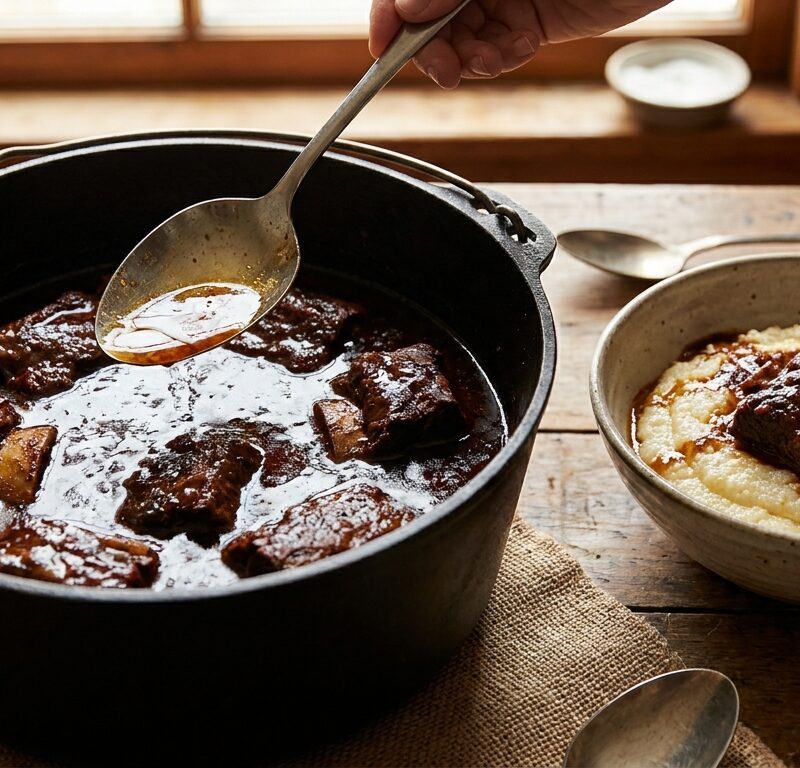
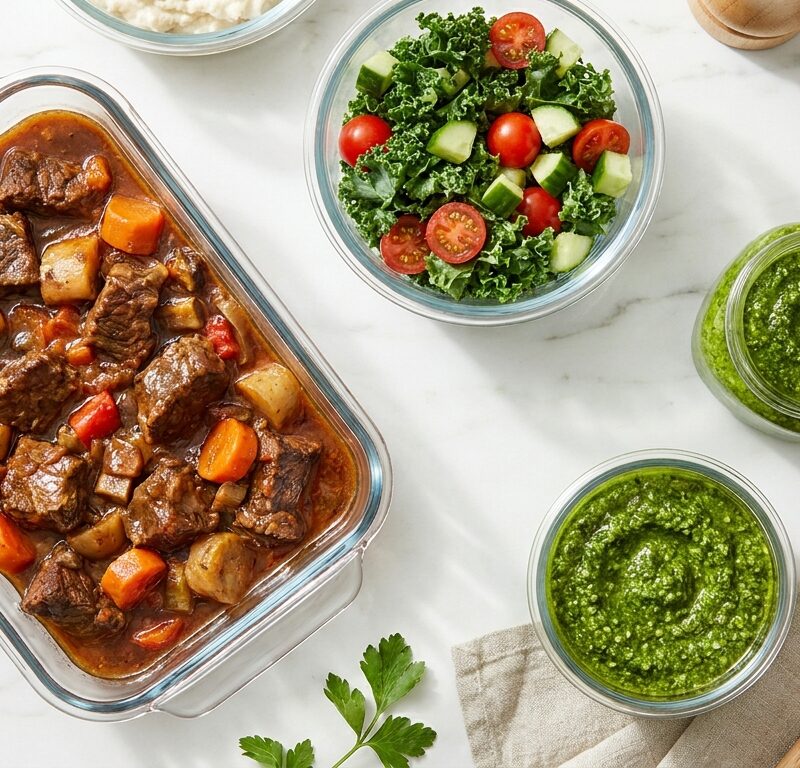
Build a menu around food that gets better sitting in the fridge, so the only thing you cook…
Read the post →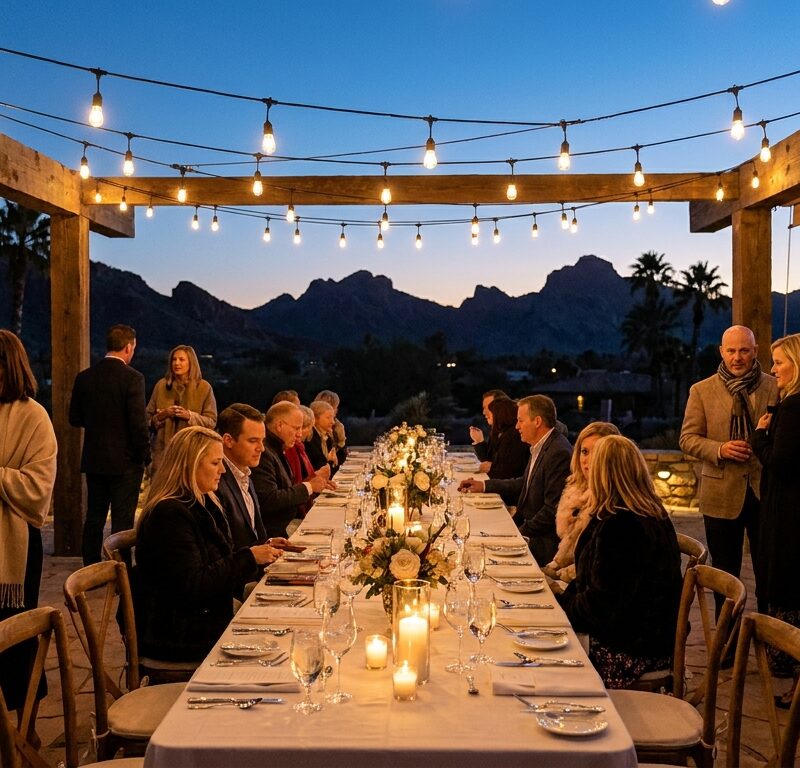
How to host memorable dinners in Palm Desert from November through April, when the desert fills up and…
Read the post →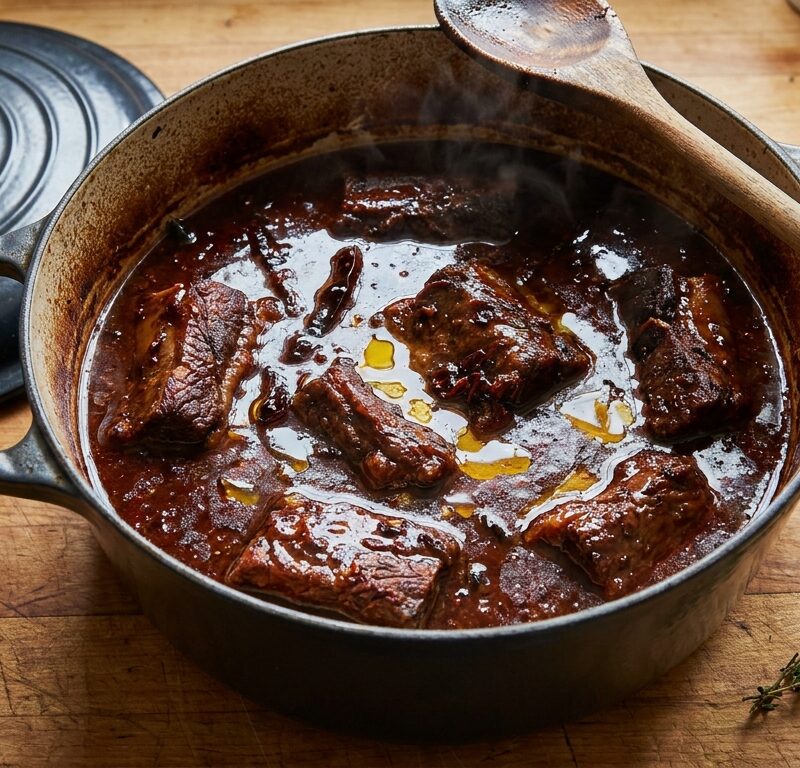
The method behind every great braise: sear, build a base, add liquid, and let low heat and patience…
Read the post →Guest-chef Sunday brunches, private dinners, and menu consulting. Tell us the date and the occasion and we send back availability and a suggested menu.
A few details and we reply with dates and a menu idea.